Essential Reads
Eating Animals
How To Go (and Stay) Vegan
How To Go (and Stay) Vegan

by Jonathan Safran Foer is a thought-provoking exploration of the ethics and impacts of factory farming, blending personal storytelling with investigative journalism. It is widely regarded as a modern classic in the animal rights and ethical eating movement.
How To Go (and Stay) Vegan
How To Go (and Stay) Vegan
How To Go (and Stay) Vegan

How to Go and Stay Vegan by Ed Winters
A clear, supportive guide for anyone curious about veganism or looking to make it last long term. Ed Winters breaks down the ethical, environmental, and practical sides of going vegan in a grounded, compassionate way that makes the lifestyle feel achievable and sustainable.
The Case for Animal Rights
How To Go (and Stay) Vegan
Why We Love Dogs, Eat Pigs, and Wear Cows

The Case for Animal Rights by Tom Regan presents a rigorous philosophical argument that animals possess inherent value and moral rights. It remains a cornerstone of rights-based animal ethics.
Why We Love Dogs, Eat Pigs, and Wear Cows
Striking at the Roots: A Practical Guide to Animal Activism
Why We Love Dogs, Eat Pigs, and Wear Cows

Why We Love Dogs, Eat Pigs, and Wear Cows by Melanie Joy introduces the concept of carnism, the invisible belief system that conditions people to eat certain animals. It’s one of the most accessible and transformative books in animal advocacy.
Some We Love, Some We Hate, Some We Eat
Striking at the Roots: A Practical Guide to Animal Activism
Striking at the Roots: A Practical Guide to Animal Activism

Some We Love, Some We Hate, Some We Eat by Hal Herzog examines the contradictions in how humans relate to animals. The book offers psychological insight into why compassion and cruelty often coexist.
Striking at the Roots: A Practical Guide to Animal Activism
Striking at the Roots: A Practical Guide to Animal Activism
Striking at the Roots: A Practical Guide to Animal Activism

Striking at the Roots: A Practical Guide to Animal Activism
by Mark Hawthorne offers a comprehensive look at modern animal advocacy, from grassroots organizing to effective campaigns and movement strategy. It’s widely used by activists seeking practical, ethical change for animals.
Essential Reads
Sprig The Rescue Pig
Who Cares About Animal Rights
Sprig The Rescue Pig

Sprig the Rescue Pig — Leslie Crawford
Based on a true story, this middle-grade book follows Sprig, a pig who escapes a dire fate and forms a powerful friendship with a young girl, teaching readers about compassion, interspecies friendship, and the value of every life.
Junebug
Who Cares About Animal Rights
Sprig The Rescue Pig
Junebug: No Life Too Small by Nicole Daniels.
This compassionate tale follows June, who learns to care deeply about all living beings, including the tiniest of animals, showing kids how respect and kindness can be extended to every creature.
Who Cares About Animal Rights
Who Cares About Animal Rights
Who Cares About Animal Rights
Who Cares About Animal Rights? —Sarah Albee
An engaging introduction for young readers to the basics of animal rights with clear explanations and thoughtful examples. A great choice for tweens and teens beginning to ask bigger questions about justice and the world.
The Last Wild
One Beastly Beast: Eight Tales of Animals Being Good to Each Other
Who Cares About Animal Rights
The Last Wild by Piers Torday
In this adventure story, a boy named Kester must save animals that are disappearing in a world where creatures have almost vanished. This imaginative tale blends excitement with deeper themes about caring for wildlife and respecting all living beings.
One Beastly Beast: Eight Tales of Animals Being Good to Each Other
One Beastly Beast: Eight Tales of Animals Being Good to Each Other
One Beastly Beast: Eight Tales of Animals Being Good to Each Other
One Beastly Beast: Eight Tales of Animals Being Good to Each Other by Jennifer Sattler
A delightful picture book collection of short stories showing animal characters helping one another with kindness, cooperation, and friendship. Great for younger readers and families teaching empathy through playful, heartwarming tales.
The Hundred Dresses
One Beastly Beast: Eight Tales of Animals Being Good to Each Other
One Beastly Beast: Eight Tales of Animals Being Good to Each Other
The Hundred Dresses by Eleanor Estes
While not strictly about animal rights, this classic middle-grade novel explores empathy, kindness, and standing up for others who are treated unfairly. Its lessons about compassion connect beautifully with the values of respect and dignity for all beings.
Speciesism
Justice for Animals
Speciesism
Speciesism by Joan Dunayer delivers a powerful critique of human supremacy over other animals. The book argues for full moral equality between humans and nonhuman animals.
Empty Cages
Justice for Animals
Speciesism
Empty Cages by Tom Regan makes a clear, compassionate case for ending animal exploitation in laboratories, agriculture, and entertainment. It’s a more accessible companion to his philosophical work.
Justice for Animals
Justice for Animals
Justice for Animals
Justice for Animals by Martha C. Nussbaum expands moral and political justice to include animals. It reframes animal rights as a matter of dignity, capability, and societal responsibility.
Zoopolis
The Animal Rights Debate
Justice for Animals
Zoopolis by Sue Donaldson and Will Kymlicka proposes a groundbreaking political theory of animal rights. It explores how animals could be treated as citizens, residents, or sovereign communities.
The Animal Rights Debate
The Animal Rights Debate
The Animal Rights Debate
The Animal Rights Debate by Gary L. Francione critically examines welfare reforms versus abolition. It’s an influential text within the abolitionist animal rights movement.
Animals Like Us
The Animal Rights Debate
The Animal Rights Debate
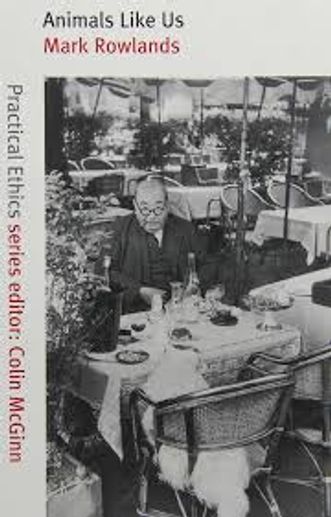
Animals Like Us by Mark Rowlands challenges the idea that morality belongs only to humans. It argues that animals exhibit moral emotions and social behaviors similar to ours.
Speciesism
Justice for Animals
Speciesism
Speciesism by Joan Dunayer delivers a powerful critique of human supremacy over other animals. The book argues for full moral equality between humans and nonhuman animals.
Empty Cages
Justice for Animals
Speciesism
Empty Cages by Tom Regan makes a clear, compassionate case for ending animal exploitation in laboratories, agriculture, and entertainment. It’s a more accessible companion to his philosophical work.
Justice for Animals
Justice for Animals
Justice for Animals
Justice for Animals by Martha C. Nussbaum expands moral and political justice to include animals. It reframes animal rights as a matter of dignity, capability, and societal responsibility.
Zoopolis
The Animal Rights Debate
Justice for Animals
Zoopolis by Sue Donaldson and Will Kymlicka proposes a groundbreaking political theory of animal rights. It explores how animals could be treated as citizens, residents, or sovereign communities.
The Animal Rights Debate
The Animal Rights Debate
The Animal Rights Debate
The Animal Rights Debate by Gary L. Francione critically examines welfare reforms versus abolition. It’s an influential text within the abolitionist animal rights movement.
Animals Like Us
The Animal Rights Debate
The Animal Rights Debate
Animals Like Us by Mark Rowlands challenges the idea that morality belongs only to humans. It argues that animals exhibit moral emotions and social behaviors similar to ours.
The Sexual Politics of Meat (Updated Edition)
The Sexual Politics of Meat (Updated Edition)
The Sexual Politics of Meat (Updated Edition)
The Sexual Politics of Meat (Updated Edition)
by Carol J. Adams explores the connections between patriarchy, violence, and the consumption of animals. This updated edition expands the feminist cultural analysis that made the book influential.
Living Among Meat Eaters
The Sexual Politics of Meat (Updated Edition)
The Sexual Politics of Meat (Updated Edition)
by Carol J. Adams offers guidance on navigating relationships and social spaces as an ethical vegan. The book focuses on communication, resilience, and compassion.
The Problem of Animal Pain
The Sexual Politics of Meat (Updated Edition)
The Problem of Animal Pain
by James Serpell examines scientific and ethical perspectives on animal suffering. It challenges the ways pain has historically been minimized or dismissed in animals.
We Don’t Eat Animals
Vegan Is Love: Having Heart and Taking Action
The Problem of Animal Pain
We Don’t Eat Animals — Devin Gregory
A gentle, beautifully illustrated children’s book that teaches kids to see animals as friends, not food. Through warmth and simple language, it encourages empathy, respect, and kindness toward all animals.
Vegan Is Love: Having Heart and Taking Action
Vegan Is Love: Having Heart and Taking Action
Vegan Is Love: Having Heart and Taking Action
Vegan Is Love: Having Heart and Taking Action by Ruby Roth
A bright, empowering book that shows kids how everyday choices can protect animals and help the world. It’s positive, action-focused, and perfect for younger readers who want to live their values.
Herb, the Vegetarian Dragon
Vegan Is Love: Having Heart and Taking Action
Vegan Is Love: Having Heart and Taking Action
Herb, the Vegetarian Dragon by Jules Bass
A funny, kid-friendly story about a dragon who refuses to eat animals and stays true to his values even when others don’t understand him. It’s a gentle way to introduce compassion and plant-based choices to young readers.
The Dreaded Comparison
Animal Rights, Human Wrongs
The Dreaded Comparison
The Dreaded Comparison by Marjorie Spiegel draws historical parallels between animal exploitation and human oppression. It remains one of the most provocative books in animal rights literature.
In Defense of Animals
Animal Rights, Human Wrongs
The Dreaded Comparison
In Defense of Animals edited by Peter Singer is a collection of essays covering ethics, science, and activism. It helped solidify animal rights as a serious academic and moral field.
Animal Rights, Human Wrongs
Animal Rights, Human Wrongs
Animal Rights, Human Wrongs
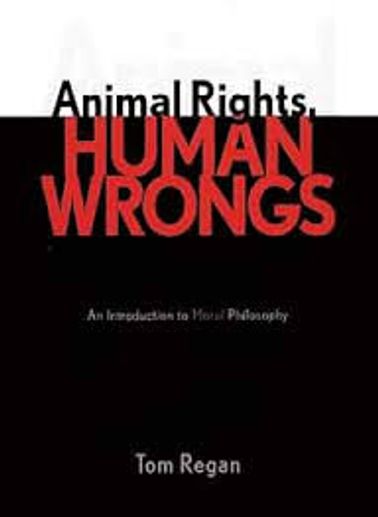
Animal Rights, Human Wrongs by Tom Regan confronts common objections to animal rights with clarity and moral conviction. It’s often cited in academic and activist circles alike.
The Ethics of What We Eat
The Ethics of What We Eat
Animal Rights, Human Wrongs
Peter Singer and Jim Mason explore how everyday food choices affect animals, the environment, and people around the world. The book offers a thoughtful and accessible look at making more ethical decisions about what we eat.
We Are the Weather
The Ethics of What We Eat
This is Vegan Propaganda
Jonathan Safran Foer examines how individual food choices connect to climate change and animal agriculture. The book emphasizes collective responsibility over personal perfection.
This is Vegan Propaganda
The Ethics of What We Eat
This is Vegan Propaganda
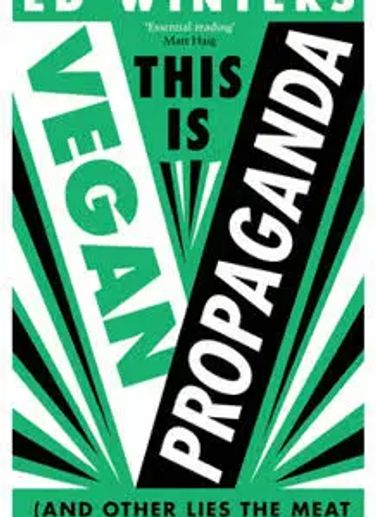
Ed Winters addresses common arguments used to justify animal exploitation and responds with clear ethical reasoning. The book is accessible, direct, and grounded in compassion.
Animal Ethics: A Very Short Introduction
Animal Ethics: A Very Short Introduction
Animal Ethics: A Very Short Introduction
Animal Ethics: A Very Short Introduction
by Julian Savulescu and David DeGrazia introduces the main ethical debates surrounding human use of animals. It provides a clear, accessible overview of animal ethics.
Why Veganism Matters
Animal Ethics: A Very Short Introduction
Animal Ethics: A Very Short Introduction
by Gary L. Francione argues that veganism is a moral obligation rather than a lifestyle choice. It centers animals as individuals with basic rights.
Ethics Into Action
Animal Ethics: A Very Short Introduction
The Problem of Animal Pain
by Henry Spira focuses on translating ethical concern for animals into effective activism. It emphasizes strategy, persistence, and measurable change.
The Problem of Animal Pain
Animal Rights: Moral Theory and Practice
The Problem of Animal Pain

by James Serpell analyzes scientific and ethical perspectives on animal suffering. It challenges long-standing assumptions that minimize animal pain.
Rethinking Food Ethics
Animal Rights: Moral Theory and Practice
Animal Rights: Moral Theory and Practice
by Paul B. Thompson examines ethical questions surrounding food systems, animal agriculture, and sustainability. It offers a thoughtful framework for making responsible food choices.
Animal Rights: Moral Theory and Practice
Animal Rights: Moral Theory and Practice
Animal Rights: Moral Theory and Practice
Animal Rights: Moral Theory and Practice
by Mark Rowlands explores the philosophical foundations of animal rights and how moral theory applies in real-world contexts. It connects ethical reasoning with practical advocacy for nonhuman animals.
Powerarchy
Animal Rights and Human Obligations
Animal Rights and Human Obligations
by Melanie Joy explores how systems of domination operate across species, gender, and culture. It reframes animal exploitation as part of a broader pattern of normalized violence and power.
Animal Rights and Human Obligations
Animal Rights and Human Obligations
Animal Rights and Human Obligations
Animal Rights and Human Obligations
edited by Tom Regan and Peter Singer brings together diverse philosophical perspectives on the moral responsibilities humans have toward nonhuman animals. It examines ethical theory, rights, and practical implications for how animals should be treated.
The Animal Activist’s Handbook
Animal Rights and Human Obligations
The Animal Activist’s Handbook
The Animal Activist’s Handbook
by Matt Ball and Bruce Friedrich focuses on building effective and sustainable animal advocacy. It emphasizes strategy, communication, and long-term impact over burnout-driven activism.
Critical Animal Studies
Why Should I Be Kind to Animals?
The Animal Activist’s Handbook
by Anthony J. Nocella II and contributing scholars presents an interdisciplinary approach to animal rights and social justice. It connects academic analysis with real-world activism and challenges traditional power structures.
The One and Only Ruby
Why Should I Be Kind to Animals?
Why Should I Be Kind to Animals?
by Linda Kranz tells the story of a young girl who discovers the joy of protecting and nurturing animals after saving a baby elephant. Through colorful adventures, the book encourages compassion, respect, and care for all living beings.
Why Should I Be Kind to Animals?
Why Should I Be Kind to Animals?
Why Should I Be Kind to Animals?
Why Should I Be Kind to Animals?
by Claire Llewellyn explores simple, meaningful ways children can understand and practice kindness toward animals in everyday situations. It uses kid-friendly language and examples to inspire empathy and thoughtful behavior.
Karma Kat to the Farm
The Miraculous Journey of Edward Tulane
The Miraculous Journey of Edward Tulane
by Kathleen Kastner follows Karma Kat as she tours a farm and meets all the animals, learning about their lives, needs, and how to treat them with kindness. The book gently teaches children empathy, respect for animals, and thoughtful care through bright illustrations and engaging storytelling.
The Miraculous Journey of Edward Tulane
The Miraculous Journey of Edward Tulane
The Miraculous Journey of Edward Tulane
The Miraculous Journey of Edward Tulane
by Kate DiCamillo follows a toy rabbit’s emotional journey from selfishness to love and empathy as he encounters a series of human and animal characters. This novel for older children explores how connection, loss, and compassion shape who we become.
The ABCs of Kindness for Animals
The Miraculous Journey of Edward Tulane
Be a Friend to Trees (and Animals)
The ABCs of Kindness for Animals
by Alice B. McGinty introduces the alphabet through actions that show respect and care for animals. It gently teaches children to think about how their choices affect the wellbeing of creatures big and small.
Be a Friend to Trees (and Animals)
Not Your Typical Book About Animals: A Kids’ Guide to Animal Rights
Be a Friend to Trees (and Animals)
Be a Friend to Trees (and Animals)
by Patricia Lauber shows how protecting forests helps animals too, connecting empathy for nature with kindness toward all creatures. By linking habitat to animal wellbeing, it helps kids think beyond pets to global animal respect.
Not Your Typical Book About Animals: A Kids’ Guide to Animal Rights
Not Your Typical Book About Animals: A Kids’ Guide to Animal Rights
Not Your Typical Book About Animals: A Kids’ Guide to Animal Rights
Not Your Typical Book About Animals: A Kids’ Guide to Animal Rights
by Ruby Roth teaches children about speciesism and encourages them to think ethically about eating, farming, and using animals. The book uses age-appropriate language to challenge assumptions and inspire compassionate choices.
The Turtle Who Fights for Animal Rights
Not Your Typical Book About Animals: A Kids’ Guide to Animal Rights
Not Your Typical Book About Animals: A Kids’ Guide to Animal Rights
The Turtle Who Fights for Animal Rights
by Dragana Vucic Dekić tells the story of a brave turtle who stands up in court to defend animals who cannot speak for themselves. Through humor and gentle activism, the book introduces children to ideas of justice, compassion, and animal rights in an accessible way.